The Centers for Disease Control and Prevention defines light drinking as three drinks or fewer per week and moderate drinking as no more than one drink per day for women and up to two per day for men. Over time, this added stress can weaken the heart muscle and contribute to the development of conditions like high blood pressure and heart failure. If you have high blood pressure, do not drink alcohol or don’t drink much alcohol.
- According to health guidelines, it’s recommended that individuals limit their sodium consumption to 2,300 mg per day, with an ideal target of 1,500 mg per day.
- Observational research in the 1980s found that a high percentage of French people had very low rates of coronary heart disease despite having a diet that included lots of saturated fat.
- The Recovery Village Palmer Lake specializes in compassionate, evidence-based care tailored to your needs.
- Some studies suggest that light to moderate alcohol consumption might have protective effects on the cardiovascular system.
- I’ve had experience with recovery since 1996 and began working in the field in early 2004.
Alcohol: Does it affect blood pressure?
This effect is independent of age, sex, race, smoking, Sober living house and caffeine consumption and depends on the amount of alcohol ingested. At this point, serious lifestyle chances are recommended to fix the problem. UTMB’s Dr. Samuel Mathis tells The Healthy that alcohol raises blood pressure by increasing renin—a protein that constricts arteries—and decreasing nitrous oxide, which is a compound that relaxes them.
- Most adults need about 3,500-4,700 mg of potassium daily for optimal blood pressure control.
- Heavily drinking can decrease baroreceptor sensitivity making them less responsive to changes in blood pressure.
- For those struggling with alcohol use disorder (AUD), cutting back or quitting altogether can feel like an insurmountable challenge.
- Another good impact of whiskey is that it can prevent blood clotting and increase good cholesterol or LDL cholesterol.
How Much Alcohol Can You Safely Consume With High Blood Pressure?
Consuming alcohol can be very harmful to anyone’s body if it is taken in a huge proportion. However, it is also used as medicine to stay in great shape and have beautiful skin. A small amount of different alcohol can vodka and high blood pressure be beneficial, and the best alcohol for high blood pressure health is red wine, but the patient must be aware of keeping it in balance. “Alcohol is certainly not the sole driver of increases in blood pressure; however, our findings confirm it contributes in a meaningful way.

Does alcohol increase heart rate?
Alcohol intake initially suppresses the activity of this system by inhibiting the release of renin, a hormone that starts the RAAS process. Lower renin levels can lead to decreased levels of the production of other https://dog88slot.net/oxycontin-oxycodone-hcl-side-effects-uses-dosage/ hormones, potentially lowering blood pressure. No content on this site, regardless of date, should ever be used as a substitute for direct medical advice from your doctor or other qualified clinician. However, with thorough guidance from caring clinicians and a commitment to daily positive habits, you can safely manage it in most cases. Staying mindful of servings, pacing intake intelligently, and taking adequate alcohol-free days will help you maintain balance.
- This may be due to family members sharing similar habits, like exercise and diet.
- In this article, we will learn what kind of alcohol and how much alcohol consumed will not cause any harm to an average person or patient and what is the best alcohol for high blood pressure.
- The high sugar content in these beverages can lead to weight gain and insulin resistance, both of which are linked to elevated blood pressure.
Who Should Not Drink?

“Some of the new diabetes medications have a diuretic effect, and that could cause dehydration” in people with diabetes, Vaishnava says. Research shows that regular use of acetaminophen can raise blood pressure, as can nonsteroidal anti-inflammatory drugs (NSAIDs), including ibuprofen and naproxen. If you already have high blood pressure, NSAIDs can prevent several common meds such as ACE inhibitors and diuretics from doing their job.
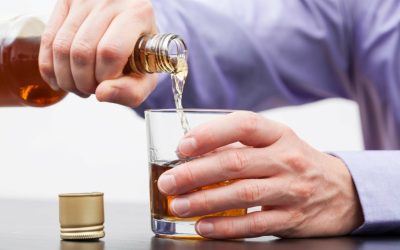
Alcohol can affect the way your blood pressure medication is absorbed into your bloodstream, making them less effective. When combined with some blood pressure medicines like beta-blockers or diuretics, alcohol can cause your blood pressure levels to fall too low. Regular physical activity is one of the most powerful tools for blood pressure management. Just 30 minutes of brisk walking daily can reduce systolic blood pressure by 4-9 mmHg, which is more effective than any supposed alcohol benefits. Women tend to experience blood pressure increases at lower alcohol consumption levels than men, possibly due to differences in body composition and alcohol metabolism. When you drink alcohol, it triggers your sympathetic nervous system, which controls your fight-or-flight response.